
Caring for oily hair: tips and advice
Hair looking flat the day after you wash it? Why the scalp gets oily, and how to build a routine that cleanses without stripping.

Oily hair comes from busy sebaceous glands on the scalp. Sebum protects and moisturises the skin, but when there is too much of it, hair quickly loses its freshness and volume.
Signs of oily hair
- Hair looks unwashed a day after washing
- An oily shine at the roots
- Strands stick together and lie flat
- Volume disappears soon after styling
Why the scalp gets oily
- Hormonal changes: in the teenage years, during pregnancy or at different points in the menstrual cycle
- Genetics: a tendency to oily skin often runs in families
- Washing too harshly: a stripped scalp can respond by producing even more sebum
- Hot water and touching your hair often
- Stress, poor sleep and diet, especially a lot of sugar and fat
How to care for it
- Wash when your hair needs it, with warm rather than hot water.
- Choose a shampoo for oily hair: gentle cleansers, no heavy oils.
- Apply shampoo to the scalp and let the lather run through the lengths.
- Use conditioner on the lengths and ends only, away from the roots.
- Avoid touching your hair during the day, and clean your brushes often.
- Dry on a cool setting: hot air encourages more sebum.
The goal isn’t to dry the scalp out, but to bring it back into balance.
When oiliness comes with dandruff
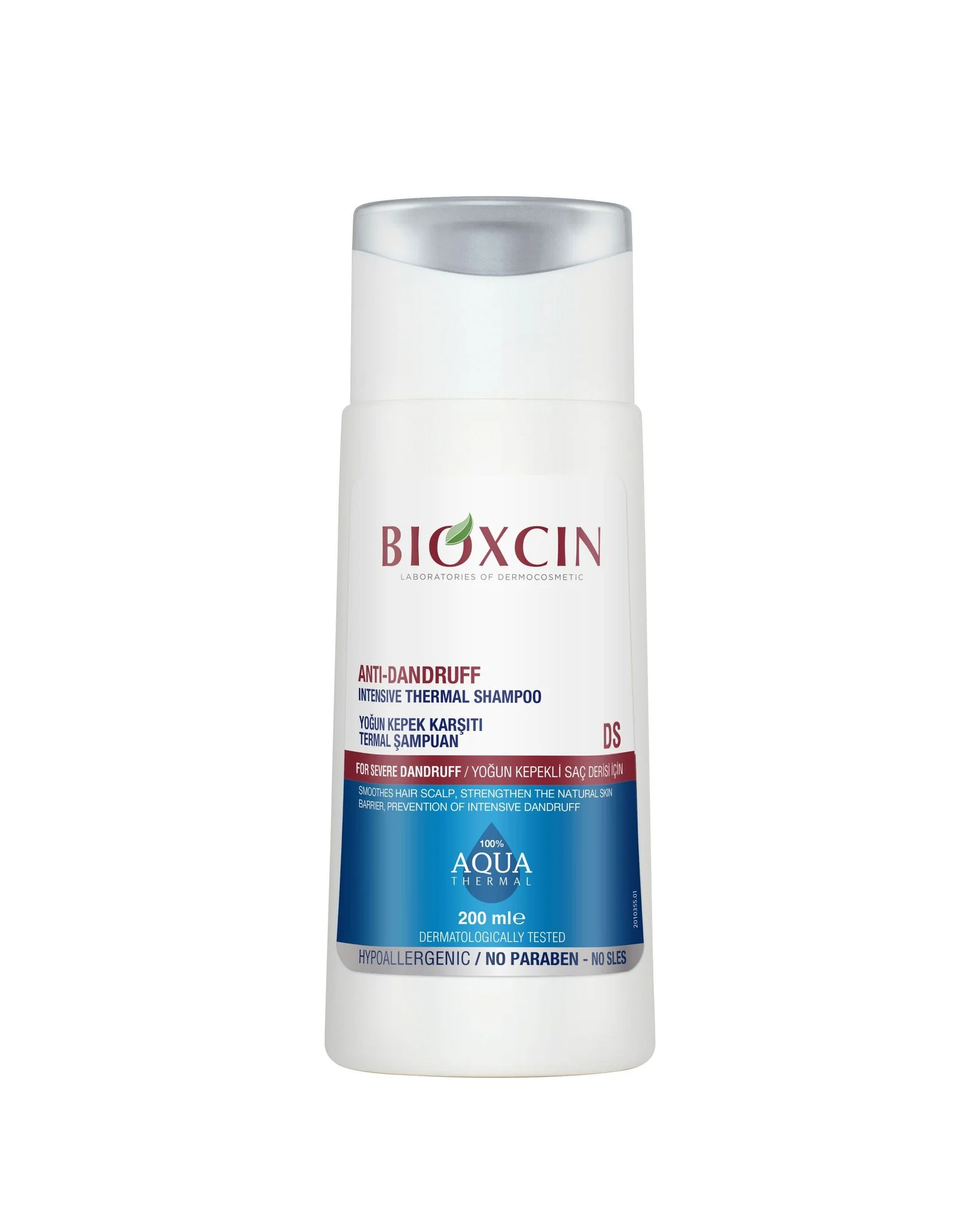
Oily dandruff, itching and flaking need their own care, such as a shampoo with zinc and piroctone olamine. If redness and itching don’t settle, see a dermatologist.
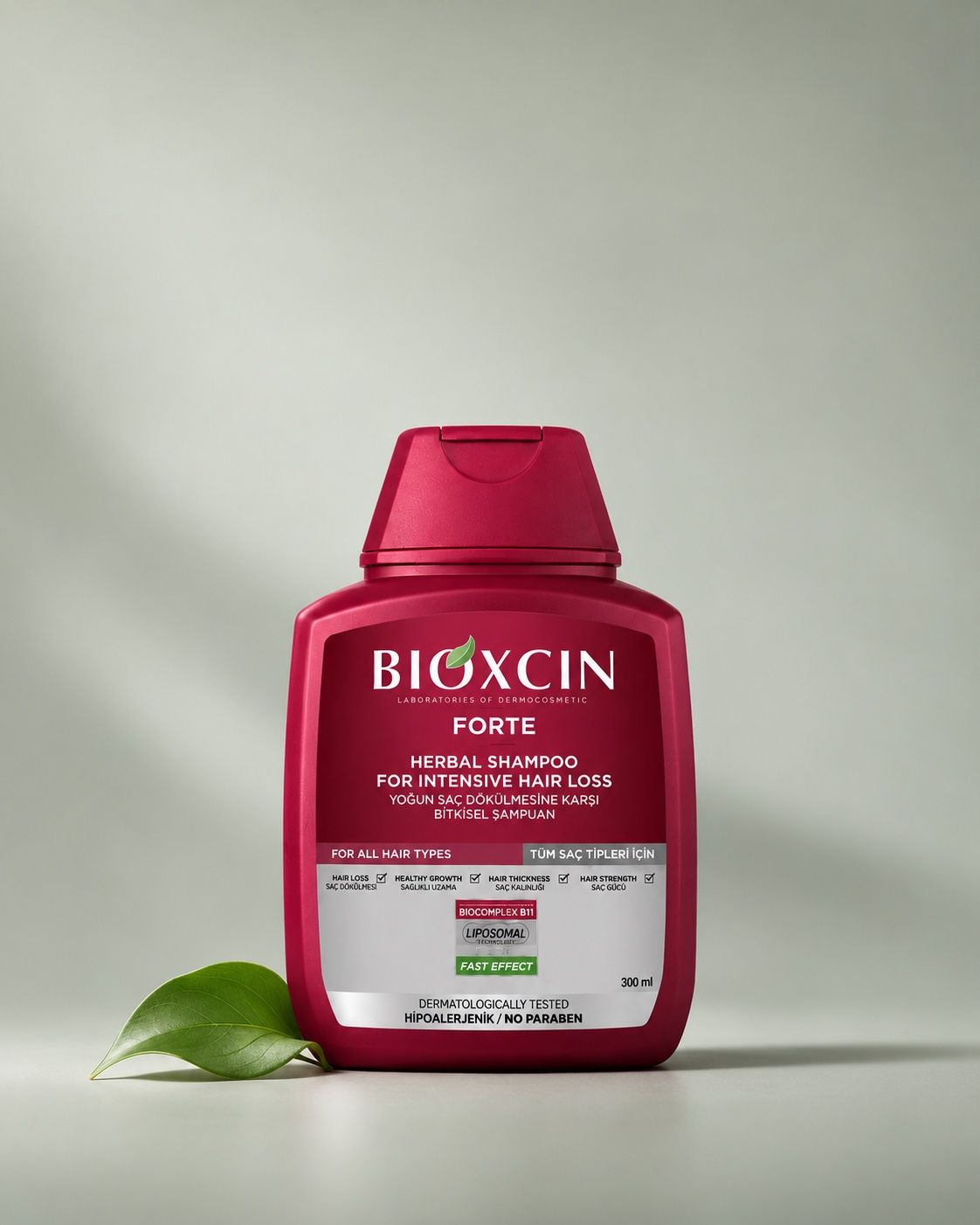
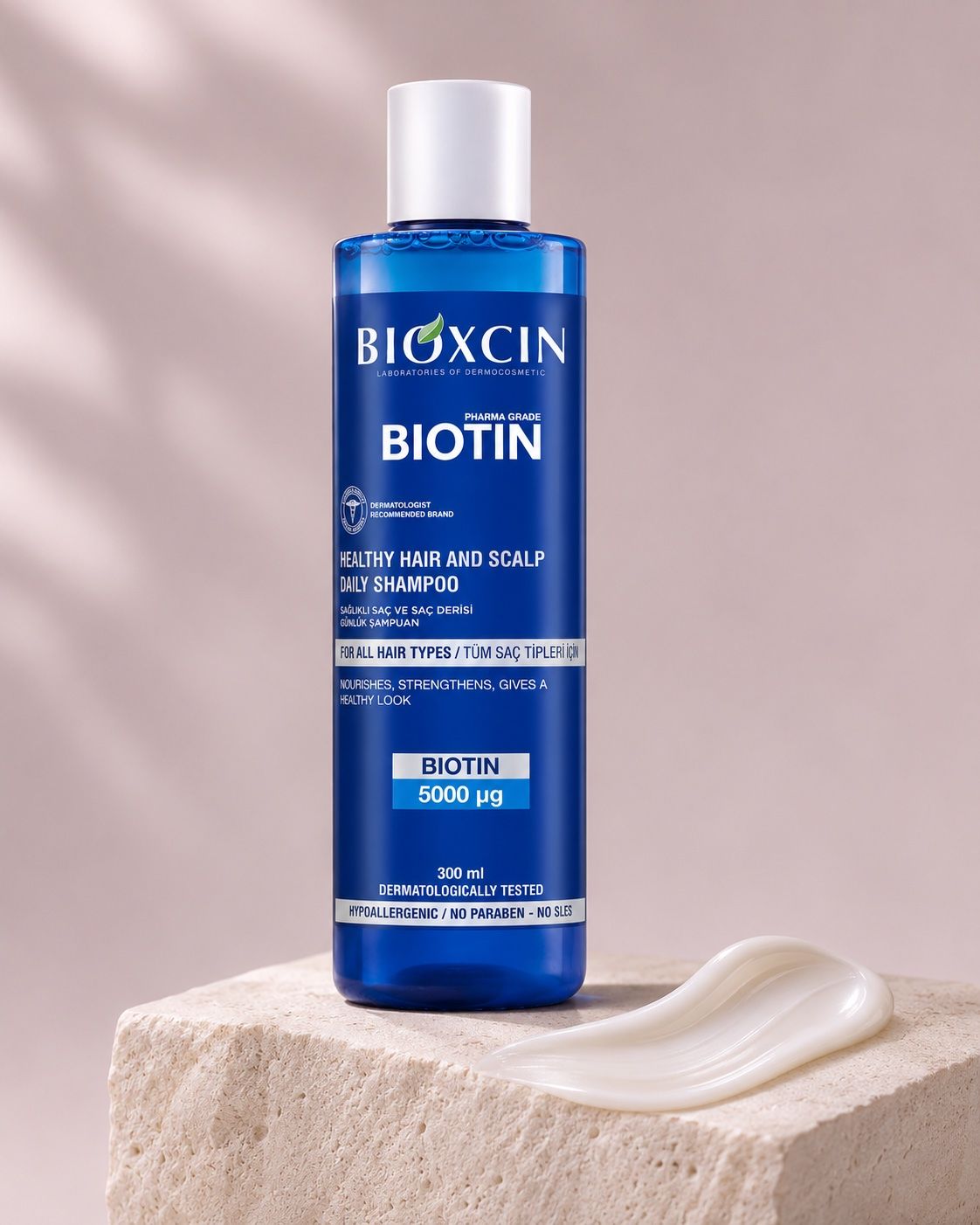
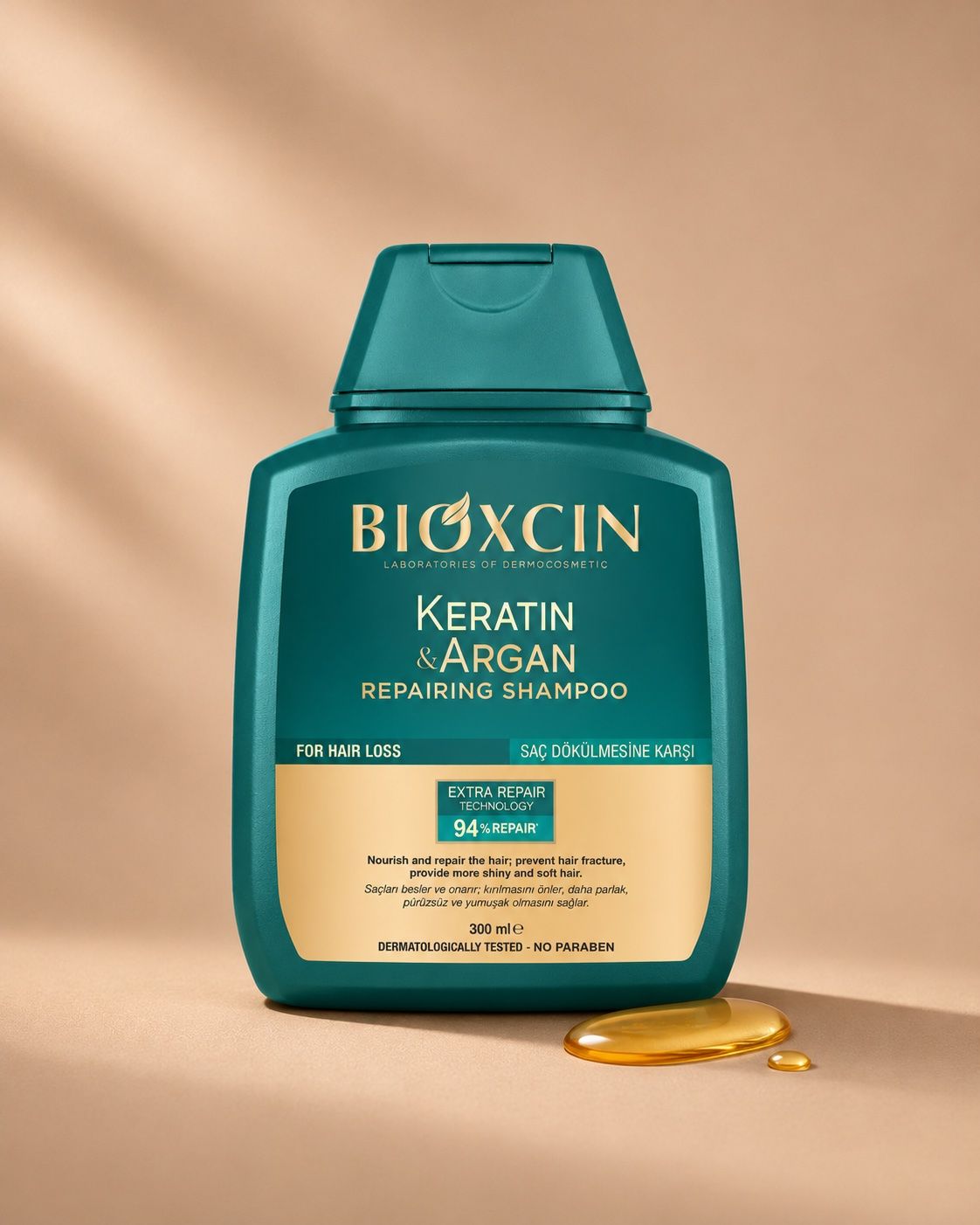
What to choose from Bioxcin
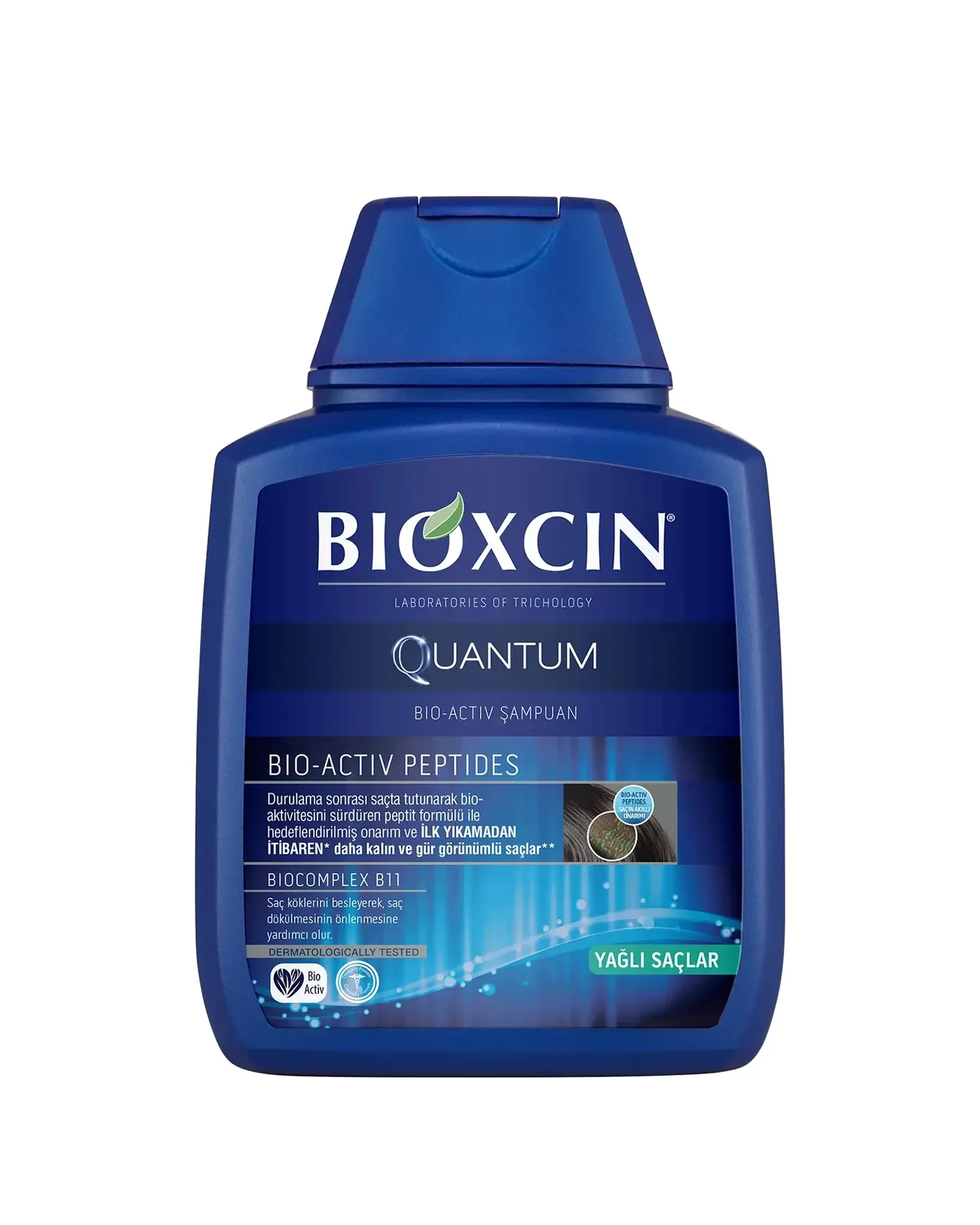
Bioxcin Quantum shampoo comes in a version for oily hair that cleanses the scalp without weighing down the lengths.