Vitamins for hair: which ones you need and where to get them
The condition of your hair reflects your diet. Which vitamins and minerals matter for hair, which foods contain them, and when to think about supplements.
Beautiful hair comes from care on the outside and nutrition on the inside. Hair follicles grow actively and need protein, vitamins and minerals.
B vitamins
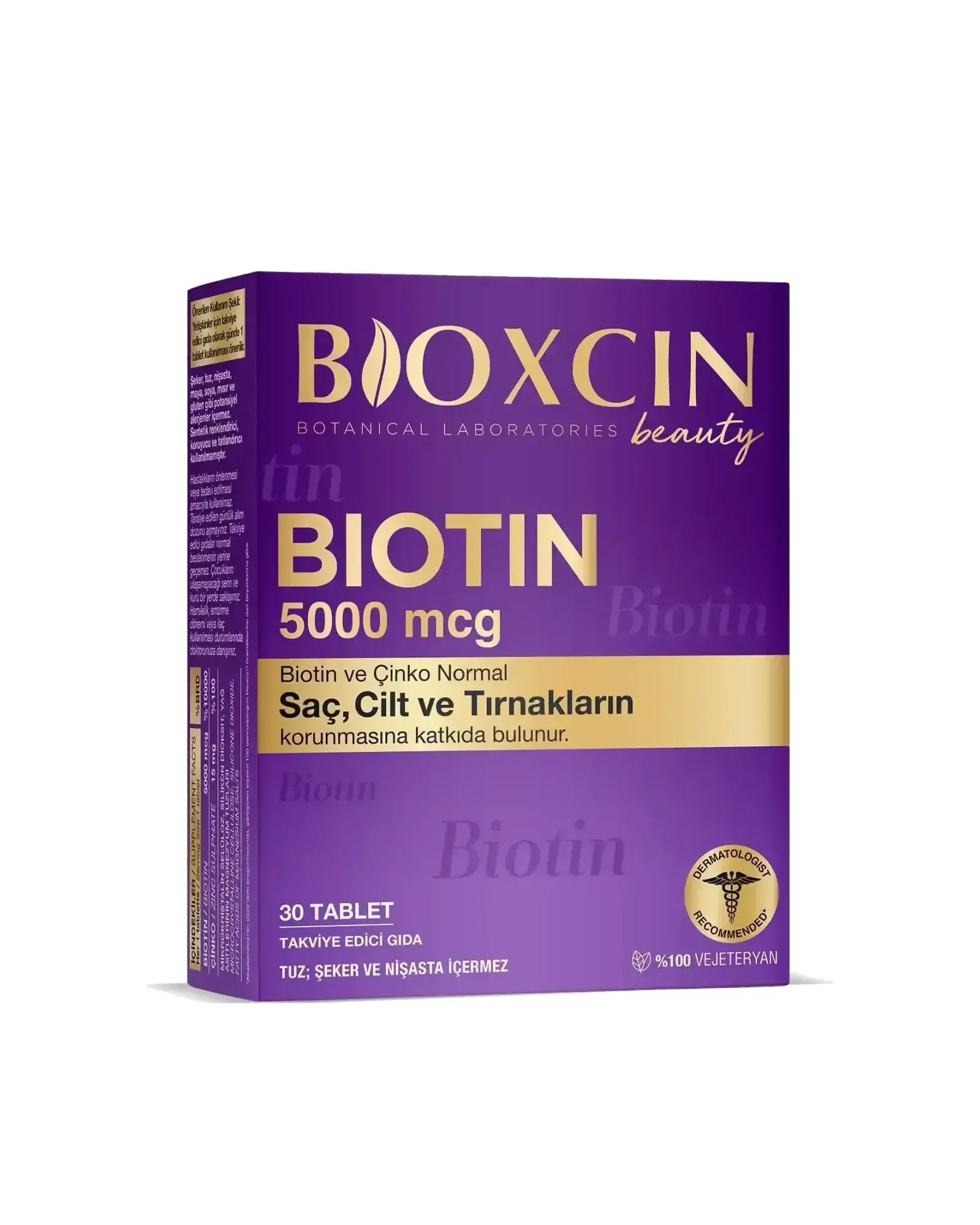
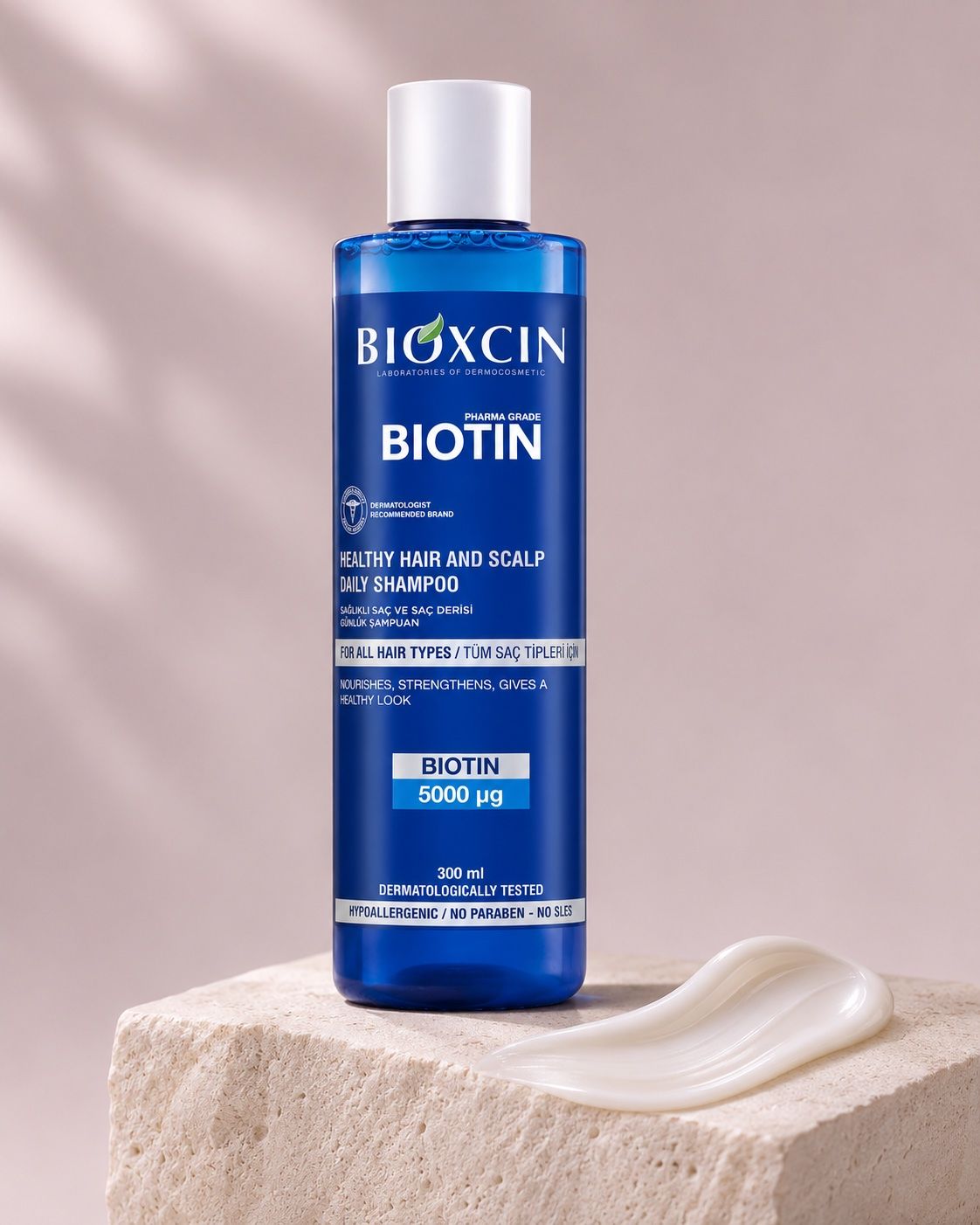
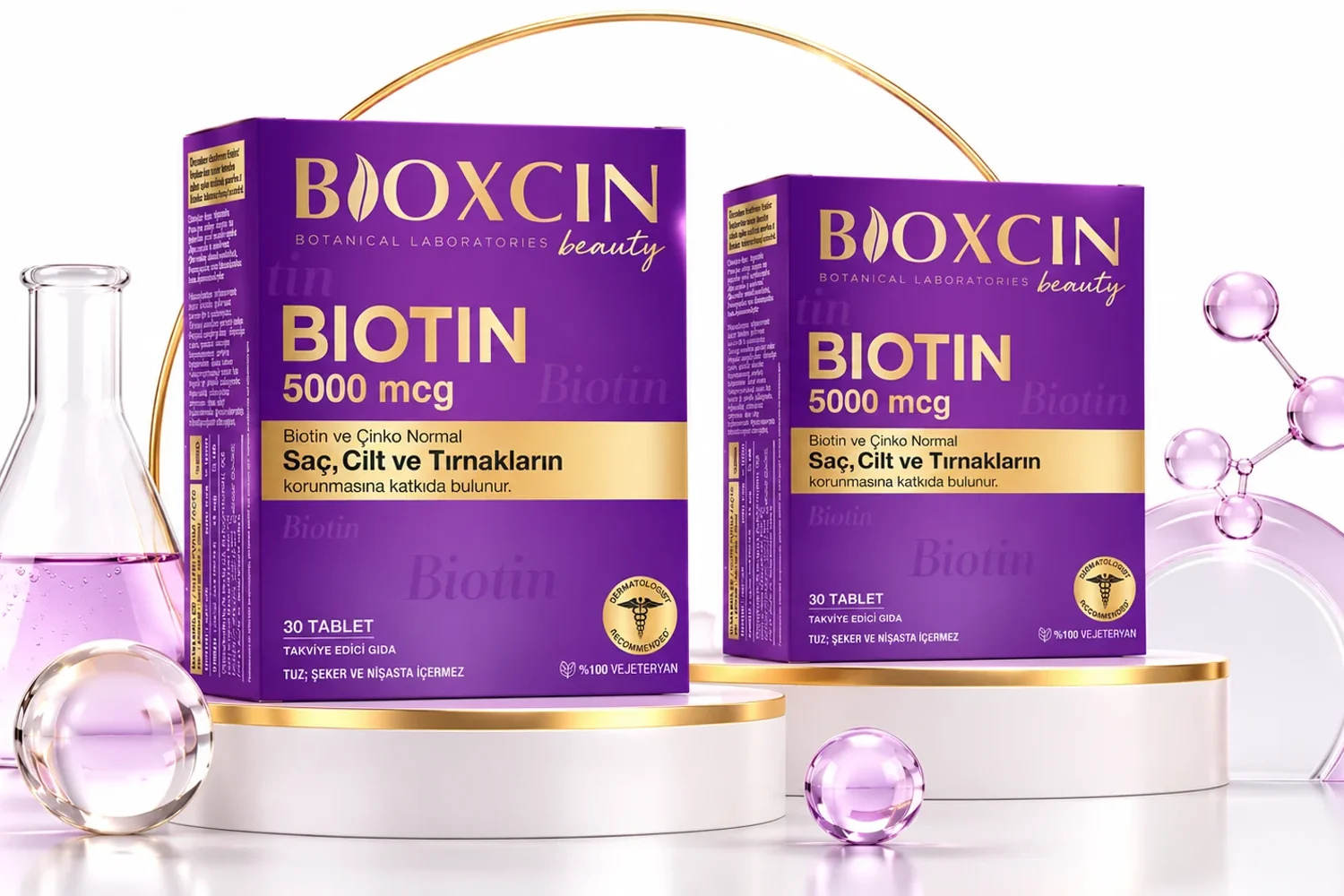
Biotin (B7) contributes to the maintenance of normal hair and skin. Sources: eggs, nuts, legumes, whole grains.
Niacin (B3), pantothenic acid (B5) and B6 support metabolism and the skin. Sources: meat, fish, grains, vegetables.
Vitamin C
Contributes to normal collagen formation and helps the body absorb iron. Sources: citrus fruit, kiwi, peppers, berries.
Vitamin D
Important for the whole body, and levels often drop in winter. Sources: sunlight, oily fish, eggs. It’s best to check your vitamin D level with a doctor before taking supplements.
Vitamin E
An antioxidant that helps protect cells from oxidative stress. Sources: nuts, seeds, vegetable oils.
Vitamin A
Needed by the skin, but too much is harmful, including to hair. Don’t exceed recommended amounts.
Minerals
- Zinc contributes to the maintenance of normal hair, skin and nails. Sources: meat, seafood, pumpkin seeds.
- Iron: a deficiency is a common cause of hair problems. Sources: red meat, legumes, spinach.
- Selenium is found in many hair complexes. Sources: Brazil nuts, fish.
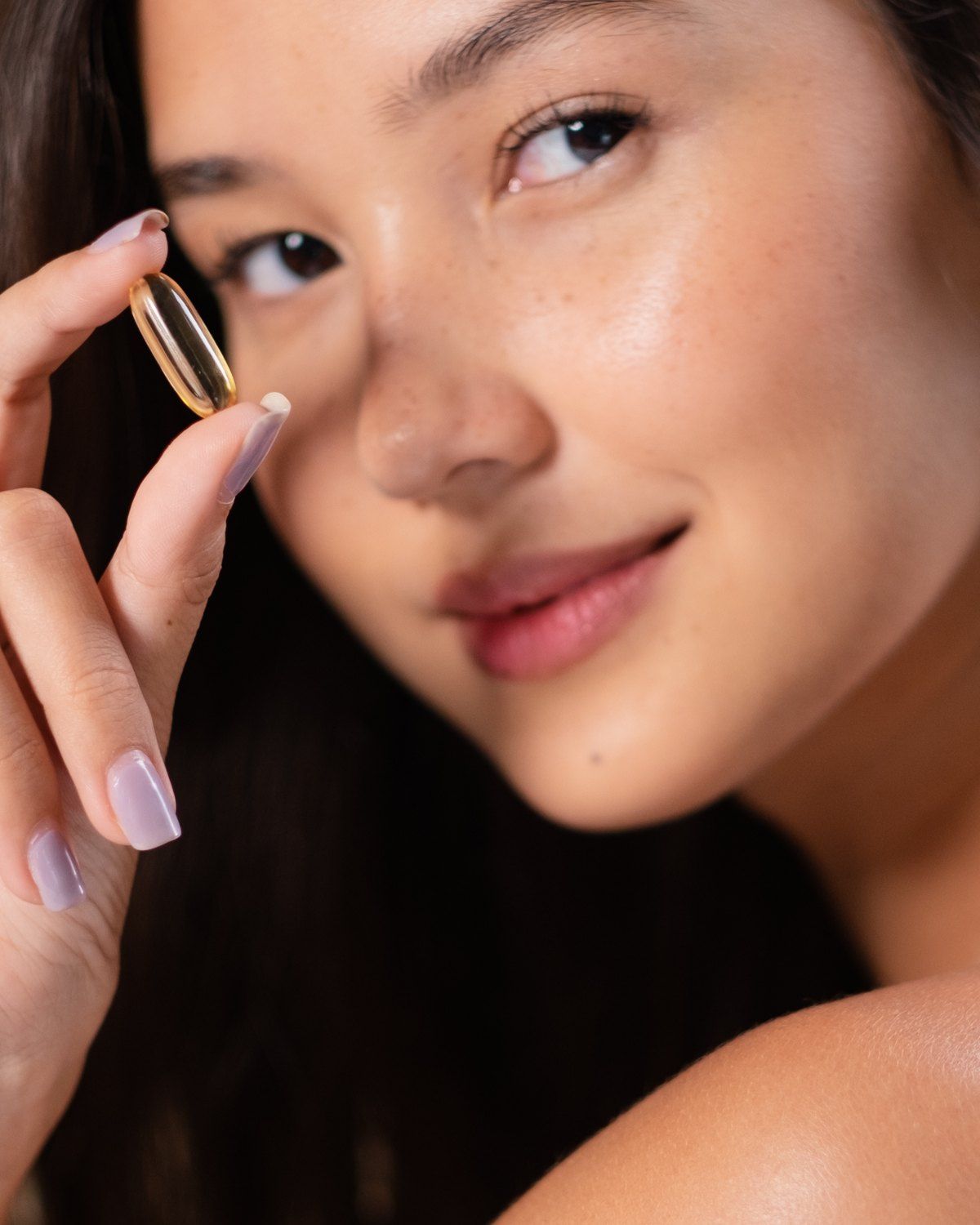
Supplements don’t replace a varied diet; they add to it.
When to think about supplements
If your diet is limited, you’re dieting, or your hair has noticeably changed, talk to a doctor and get tested. Iron or vitamin D deficiencies are best corrected under medical supervision.
Food supplements are not medicines. Talk to a doctor before taking them.